
Rambling on about Decluttering the Journey of Life….
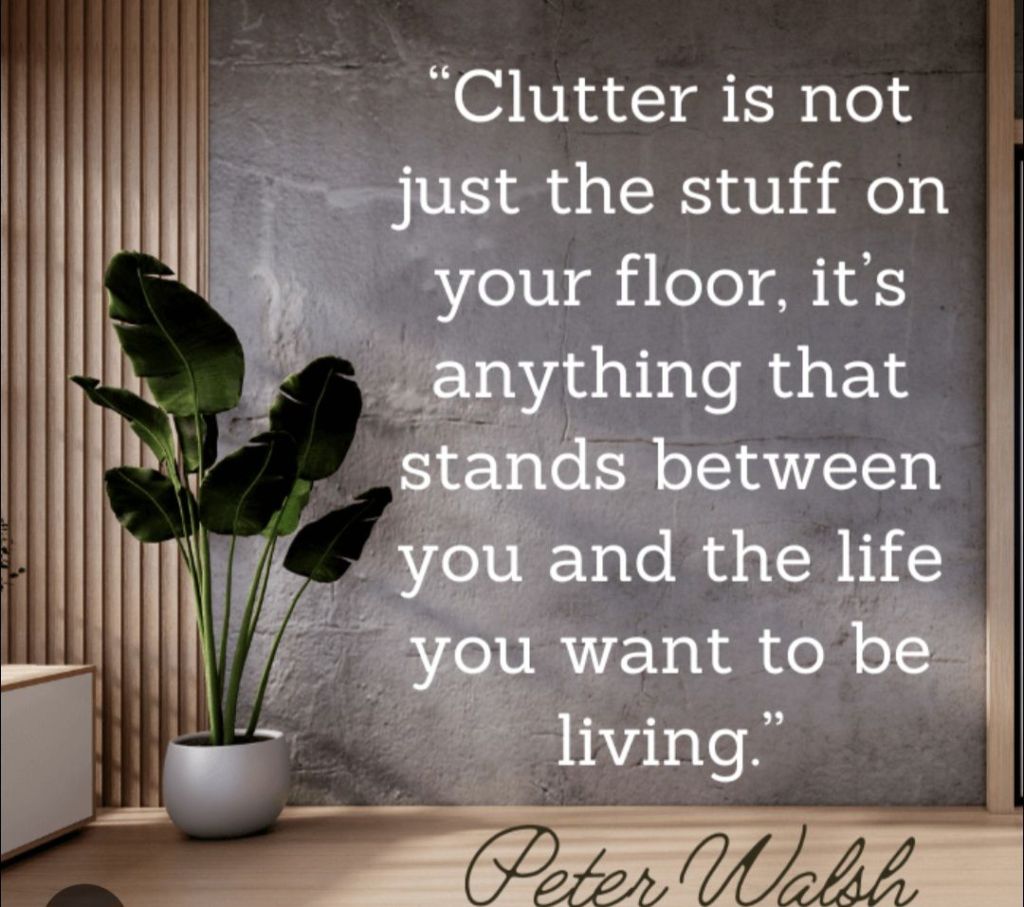
Clutter, for many, is an ever-present companion on the journey of life. We often first notice it spilling from the closets, piling up on the kitchen counter, or accumulating in the corners of the garage. Our cars become moving storage units, and our desks transform into chaotic landscapes of forgotten papers and half-finished projects. While the physical mess is obvious, clutter is far more than just things out of place.
Clutter creeps into unexpected corners of existence. It exists not just in our homes and yards, but also seeps into our hearts, our minds, and—if we’re honest with ourselves—sometimes even our souls. Unresolved emotions, unspoken words, and unchecked ambitions can create their own kind of congestion. Thoughts pile up like unsorted mail, and feelings we’ve kept boxed away for too long begin to overflow.
As the years pass, the weight of this clutter—both physical and mental—seems to grow heavier. The significance of what we own shifts, and the spaces of our lives begin to reflect the passage of time. There are boxes from decades ago, memorabilia that once brought joy, now gathering dust, and sentimental objects that tug at our hearts when we consider letting them go.
But it isn’t just the things that become burdensome; it’s also the accumulation of memories, regrets, and what-ifs. Aging brings perspective, and along with it, a desire to lighten the load. We want to feel free, unencumbered by what we no longer need. Yet, the act of decluttering, of releasing what doesn’t serve us, often requires energy, motivation, and a clarity that may be hard to find.
Why is it so challenging to let go? Sometimes it’s a sense of responsibility: “What if someone else could use this?” Sometimes, it’s nostalgia: “This reminds me of when…” At times, it’s simply overwhelming… where to start, how to decide, what if we discard something only to discover we need it later?
The same is true of mental and emotional clutter. We cling to old beliefs, replay past conversations, and dwell on ancient grievances. The process of mental decluttering requires not only intention but also courage. It means facing the truth of what weighs us down and making conscious choices to release it.
There is no single solution or tidy checklist to declutter life. Instead, it is a practice, an ongoing journey toward simplicity and peace. It might mean setting aside a few minutes each day to clear a drawer or write down worries that are crowding your mind. It could mean seeking forgiveness, making amends, or learning to say “no” more often. Sometimes, it’s about accepting that some clutter is inevitable and learning to live alongside it without letting it rule our lives.
Decluttering is as much about what we keep as what we let go. It’s about choosing what matters, what brings joy, and what has meaning, and being willing to release the rest. It’s about making room for new experiences, relationships, and possibilities.
If the clutter in your life, whether physical, mental, or emotional, feels overwhelming, know that you’re not alone. Each person’s journey is unique, and there’s no right way to declutter. I, myself, have been on this decluttering journey for a while. I have been decluttering things, slowly finding space, and discovering that less is more. The realization that I have memories, and the “things” are part of them, resonates in my mind. The decluttering of my mind and soul has made me set boundaries and learn that I am okay with letting toxic people go. I am forgiving myself, letting go of that as best I can. Start small, be kind to yourself, and recognize that every step toward simplicity in your journey, in life, is a step toward freedom.

 Dirt Road Therapy
Leave a reply to Old Fart 15 yr. RN CCU/ 20 yr. Outdoors Trainer Cancel reply