
Rambling on about Music, Mood, and the Meaning Behind “Luck”…
Growing up in the 1960s and 1970s, superstition was an ever-present thread woven into the fabric of everyday life. The atmosphere when I grew up was filled with hope, uncertainty, and a playful fear of the unknown. People often followed unwritten rules to guide their fortunes, such as avoiding black cats, stepping over cracks, or tossing salt over their shoulders. These quirky beliefs were deeply rooted in the culture, passed down through family stories or shared among friends in schoolyards, shaping how many saw their luck and fate.
Music played an important role in influencing and reflecting attitudes toward superstition and the unexplained during this era. Stevie Wonder’s song “Superstition,” released in 1972, encapsulated the mysterious energy of the time with its funky rhythm and cautionary lyrics: “When you believe in things that you don’t understand, then you suffer.” The chorus was widely recognized, and the song served as an anthem for questioning and examining mystical beliefs. Another memorable track, “Magic” by Pilot, captured the wonder of possibility with its chorus, “Oh, ho, ho, it’s magic, you know,” echoing through roller rinks, summer camps, and car radios. This music encouraged not just belief in the supernatural, but also in the innocence and excitement of life’s possibilities, inviting listeners to keep their hearts and minds open to the unknown.
Looking back, I can recall singing along to “Yes, I believe in magic,” but not fully embracing the idea of luck as a random force. When others suggest that I was lucky, my reply was always, “I am blessed.” Rather than crediting four-leaf clovers, horseshoes, or knocking on wood for good fortune, I attribute blessings to gifts from God. When facing adversity, I believe that what we are seeing is a result of choices and free will, rather than bad luck.
The decades of the 1970s and 1980s were marked by a mix of optimism and anxiety, balancing disco balls and Cold War shadows. Superstition offered comfort and a way to make sense of chaos when events felt uncontrollable. Today, I’m grounded in and focus on gratitude and responsibility instead of fate or chance, cherishing the wonder of those formative years, the music that accompanied dreams and fears, and the lessons learned. Ultimately, true magic lies in the freedom to believe and to choose one’s own perspective on life. But I still say “knock on wood” as I hit my head… and I remember with a smile the many times my grandparents and parents whispered to me tales of superstition and magic. But the music… the wonderful music still resides in my mind and soul. Yes, I believe in Magic!
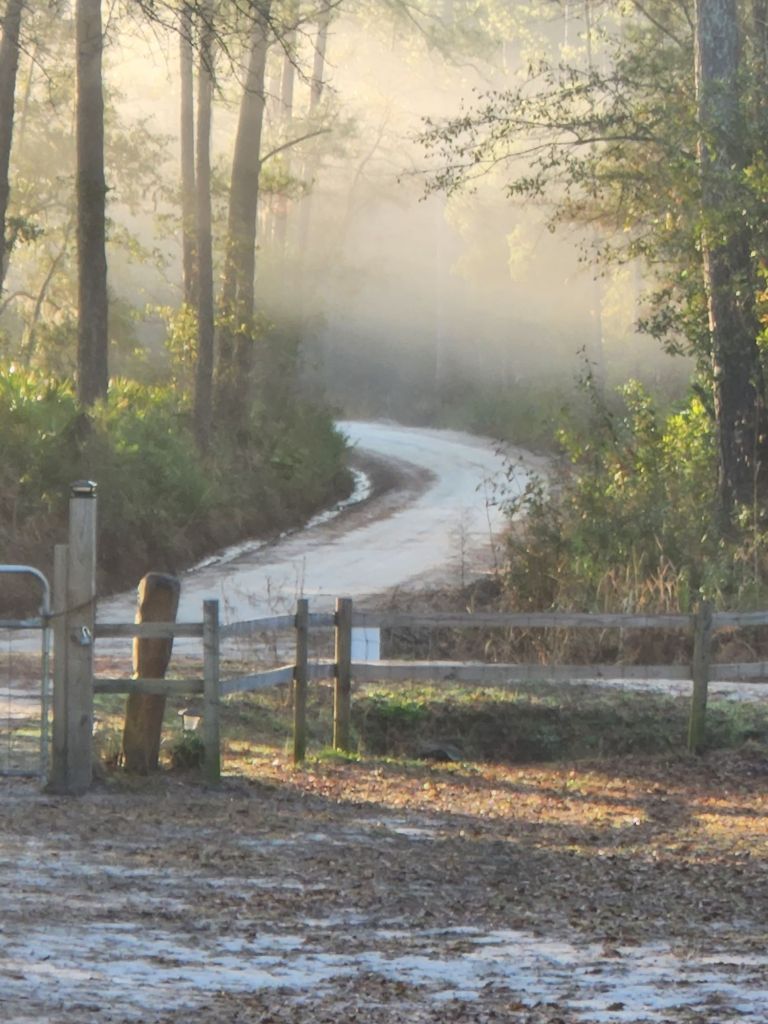
 Dirt Road Therapy
Leave a comment