
Rambling on about Boundaries and Respect…
The idea of what constitutes a “good neighbor” has long been the subject of reflection, poetry, and proverb. Throughout history, thinkers and writers have offered insights into the delicate balance between friendliness and respect for personal space. Quotes such as Robert Frost’s famous “Good fences make good neighbors,” Arthur Baer’s wry observation, “A good neighbor is a fellow that smiles at you over the back fence, but doesn’t climb over it,” and George Herbert’s advice, “Love your neighbor, yet pull not down your hedge,” all point toward a common theme: boundaries matter.
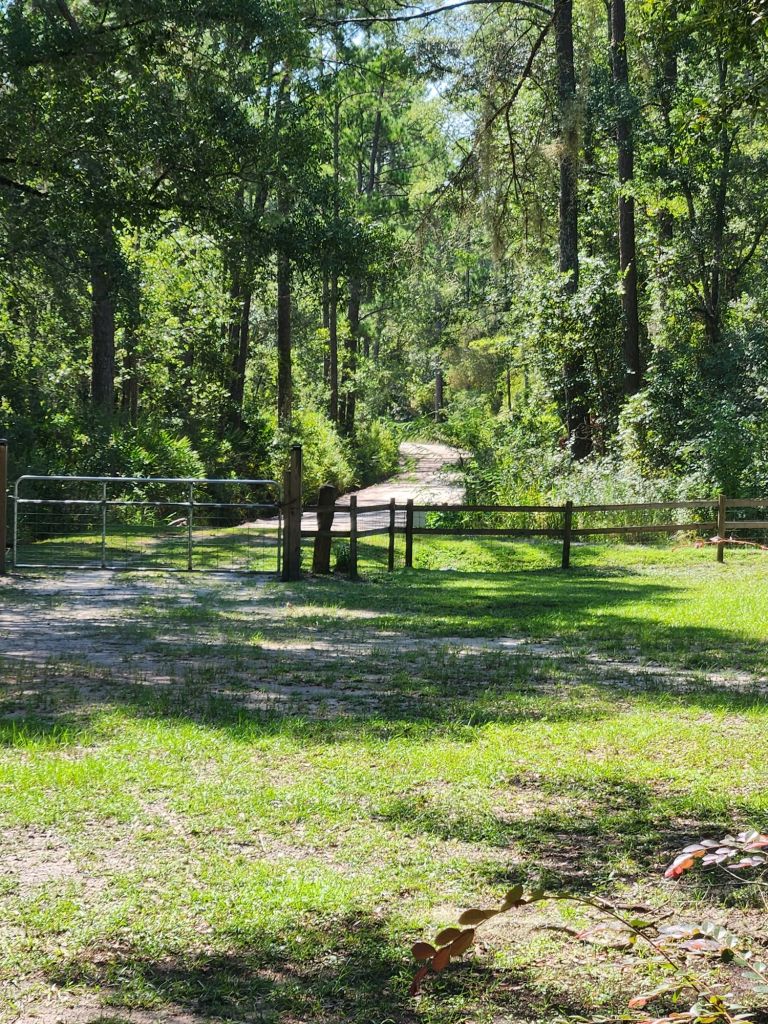
Robert Frost’s line, “Good fences make good neighbors,” is often interpreted as a literal endorsement of physical boundaries. But at its core, the phrase speaks to the importance of respecting each other’s space—both property and personal. Fences, hedges, and walls have been used for centuries to delineate where one person’s land ends and another’s begins. More broadly, these boundaries symbolize the respect we owe one another as individuals.
Being a good neighbor is less about proximity and more about the quality of the relationship. It means acknowledging both the shared and private aspects of our lives. Arthur Baer’s quote, “A good neighbor is a fellow that smiles at you over the back fence, but doesn’t climb over it,” cleverly expresses this idea. It’s about friendliness without intrusion; kindness without overstepping. A smile, a wave, a friendly greeting—these gestures build goodwill, but true respect means knowing where to draw the line.
George Herbert’s advice, “Love your neighbor, yet pull not down your hedge,” extends the idea of boundaries to emotional and relational territory. Loving your neighbor involves care and consideration, but not at the expense of your own well-being or privacy. Good neighbors recognize that boundaries—be they fences, hedges, or unwritten rules—help preserve harmony. They respect each other’s routines, possessions, and peace.
Boundaries foster mutual respect. They prevent misunderstandings and conflicts, creating an environment where people feel safe and valued. A good neighbor does not trespass, either physically or emotionally. Instead, they offer help when needed, share a kind word, and maintain a respectful distance when appropriate. This balance ensures that relationships with neighbors remain positive and sustainable over time.
I have always believed in the principle that good fences make good neighbors. Having clear boundaries does not mean being cold or unfriendly—it means recognizing the need for personal space and respecting it. This approach leads to trust, comfort, and peaceful coexistence. It allows neighbors to enjoy friendly interactions while ensuring privacy and independence. The fairy tale American dream used to be described as a home with a white picket fence after all. Independence, respect, owning something that is Yours was the dream the fence a metaphor for that.
To be a good neighbor is to understand the value of boundaries. The wisdom in the quotes from Frost, Baer, and Herbert reminds us that respect and friendliness go hand in hand, but neither should come at the expense of personal or property boundaries. In honoring these principles, we build neighborhoods that are not only friendly but also respectful, secure, and harmonious. Sadly, in this day and time, the fences are more for warning, for warning of what belongs to someone, a warning to not intrude, to stay away. The old neighborhoods full of fences that decorate and set boundaries, kept in kids and dogs, are not as friendly as they used to be. Neighbors do not know each other as they once used to. Still the key element for a good neighbor is respect and boundaries. It is what I choose to be, a good neighbor and respect those who live close to me.
 Dirt Road Therapy
Leave a comment